
Welcome to a stress-free guide on mastering inventory management in self-storage, proudly presented by ASP Removals and Storage! In this comprehensive walkthrough, we’ll uncover practical strategies and tips to help you effortlessly organize, track, and optimize your belongings within the confines of a self-storage unit. Get ready to turn your storage space into a well-ordered haven where finding your items is a breeze. Discover how to manage inventory in self-storage.

Choosing the Right Storage Unit Size
Selecting the appropriate storage unit size ensures you have adequate space for your belongings. Assess your storage needs, considering the quantity and dimensions of items you plan to store.
Inventory Planning Before Storage
Before you even start packing, create a detailed inventory plan. Categorize items, note their condition, and prioritize belongings for easy retrieval. This pre-storage planning sets the foundation for efficient inventory management.
Invest in Quality Storage Supplies
High-quality storage supplies, from sturdy boxes to bubble wrap, play a crucial role in preserving your belongings. Invest in durable materials to protect items from damage during storage.
Labelling Boxes Clearly
Clear and concise labelling is key to efficient inventory management. Label each box with a brief description of its contents, making it easy to identify items without having to open multiple boxes.
Digital Inventory Tools and Apps
Explore digital tools and apps designed for inventory management. These user-friendly solutions simplify the process, allowing you to create a digital catalogue of your stored items with ease.
Organize with Storage Bins
Storage bins are a game-changer for organizations. Utilize clear, stackable bins to categorize items and maximize vertical space. This not only keeps items safe but also enhances accessibility.
Effective Furniture Placement
Strategically place furniture within the storage unit to optimize space. Larger items can be positioned at the back, while smaller items should be easily accessible towards the front.
Climate-Controlled Storage for Fragile Items
For delicate or sensitive items, consider climate-controlled storage. This feature helps mitigate temperature and humidity fluctuations, preserving the condition of your belongings.
Regular Inventory Audits
Schedule routine inventory audits to maintain accuracy. Regular checks help identify any missing or damaged items, allowing for prompt resolution and ensuring a well-maintained storage unit.
Utilizing Vertical Storage Solutions
Maximize space by utilizing vertical storage solutions. Wall-mounted shelves and racks provide additional space for items that may not fit neatly into traditional storage containers.
Safe and Secure Locking Mechanisms
Ensure the security of your stored items with a reliable locking mechanism. A sturdy lock provides peace of mind, safeguarding your belongings during their time in self-storage.
Transparent Storage Bins for Visibility
Opt for transparent storage bins to enhance visibility. Being able to see the contents without opening each box streamlines the retrieval process and eliminates unnecessary rummaging.
Documenting with Photos
Take photos of your stored items before sealing boxes. These visual references serve as a quick guide, helping you recall the contents of each box without physically opening them.
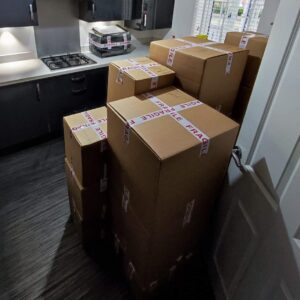
Customizing Storage Unit Layouts
Create a personalized layout for your storage unit. This visual representation aids in planning visits and ensures you can locate specific items efficiently within the unit.
Safe Handling of Fragile Items
Pack fragile items with extra care. Use protective materials like bubble wrap and ensure items are securely packed to prevent breakage during their time in storage.
Emergency Preparedness Kit
Keep an emergency kit within the storage unit, including a flashlight and basic tools. Being prepared ensures you can address unexpected situations promptly during your visits.
Effective Donation and Disposal Planning
Allocate a specific area within the storage unit for items designated for donation or disposal. Regularly reassess the necessity of each stored item to prevent unnecessary clutter.
Regular Maintenance Checks for Storage Unit
Conduct routine checks on your storage unit’s condition. Look for signs of pests, leaks, or potential issues that could affect the condition of your belongings.
Securing Documents in Sealed Containers
For paperwork and documents, use sealed plastic containers to protect them from dust and moisture. Clearly label these containers for quick identification when needed.
Optimizing Space with Stackable Solutions
Maximize available space by using stackable storage solutions. These solutions are particularly effective for lightweight items, allowing you to make the most of your storage unit.
Choosing Heavy-Duty Shelving
Invest in heavy-duty shelving for robust storage. Ideal for heavier items, these shelves provide a sturdy structure, ensuring the safety of your belongings during storage.
Utilizing Vertical Hanging Storage
Make use of vertical hanging storage for items like bicycles, sports equipment, or tools. Wall-mounted hooks or racks help declutter the floor and keep these items easily accessible.
Wall-Mounted Organizers for Smaller Items
Install wall-mounted organizers for small items like tools or accessories. This keeps smaller belongings in order and prevents them from getting lost in larger storage containers.
Creating a Personalized Storage Plan
Develop a personalized storage plan based on your unique needs. Consider factors such as item frequency, accessibility, and specific requirements for a tailored approach to storage management.
Efficient Packing Techniques: How to manage inventory in self-storage
Master efficient packing techniques to make the most of your storage space. Utilize vacuum-sealed bags for clothing, disassemble furniture when possible, and pack items in a way that maximizes every inch of available space.
Utilize Pegboards for Tools
Install pegboards for tool storage. This versatile solution keeps tools easily accessible and neatly arranged. Outline tool shapes on the pegboard for a quick visual reference, ensuring everything has its designated spot.
Consideration for Seasonal Rotation
Implements a seasonal rotation strategy to keep your storage unit dynamic. Rotate seasonal items to the front when appropriate, making retrieval hassle-free when the seasons change.
Furniture Covers for Added Protection
Use furniture covers for an extra layer of protection. Shielding furniture from dust and potential scratches helps maintain its condition during storage, ensuring that your pieces stay in top shape.
Optimize with Drawer Organizers
Introduce drawer organizers to keep smaller items in the order. From kitchen utensils to office supplies, these organizers enhance accessibility and prevent drawers from becoming chaotic over time.
Dismantle Bulky Items: How to manage inventory in self-storage
Dismantle bulky items, such as furniture or exercise equipment, to save space. Store disassembled parts together and label them clearly, making reassembly a breeze when you retrieve these items.

Digital Security for Important Documents
Consider digital security for important documents. Scan and store digital copies of essential paperwork, providing an extra layer of protection against potential loss or damage.
Incorporate Shelving Units with Wheels
Opt for shelving units with wheels to facilitate easy movement. Mobile shelving units provide flexibility in rearranging your storage layout and accessing items in different parts of the unit.
Preserve Mattresses with Covers: How to manage inventory in self-storage
Protect mattresses with specially designed covers. These covers shield against dust, pests, and potential spills, ensuring your mattresses remain in pristine condition throughout their time in storage.
In partnership with ASP Removals and Storage, this guide equips you with the tools to master inventory management in self-storage. By following these practical tips, your self-storage experience becomes not just organized but enjoyable, ensuring easy access to your belongings whenever you need them. Happy organizing!