
Professional cleaning services help homeowners maintain clean, healthy, and comfortable living spaces. However, many people feel surprised when they discover dust or debris beneath sofas, beds, wardrobes, or other furniture after a cleaning visit. This often leads to one common question: why don’t cleaners clean under furniture?
The answer depends on several factors, including cleaning service types, safety concerns, time limitations, furniture weight, and customer expectations. Most standard cleaning packages focus on visible and frequently used areas rather than hidden spaces. Professional cleaners follow specific checklists designed to deliver efficient results within the scheduled appointment time.
Understanding what cleaning services include helps homeowners avoid misunderstandings and choose the right package for their needs. At ASP Transport & Removals & Storage, we regularly assist customers in preparing homes for moving, storage, and cleaning services. Through years of experience, we have seen how clear expectations lead to better customer satisfaction and more effective cleaning outcomes.

Understanding Why Cleaners Avoid Cleaning Under Furniture
Standard Cleaning Services Focus on Accessible Areas
Most cleaning companies design standard cleaning packages to maintain everyday cleanliness. Cleaners prioritise surfaces people see and use daily. They clean kitchens, bathrooms, floors, worktops, and living spaces. Hidden areas under heavy furniture often fall outside the scope of routine cleaning because these locations require additional time and effort.
Cleaning Checklists: Define Service Boundaries
Professional cleaners work from structured checklists. These checklists help them maintain consistency and complete tasks efficiently. Standard service agreements usually specify what cleaners will and will not clean. Furniture movement often appears as an excluded task unless clients request a specialised cleaning service beforehand.
Safety Concerns Play a Major Role
Heavy Furniture Can Cause Injuries
Many pieces of household furniture weigh far more than people realise. Large sofas, wardrobes, dining tables, and beds can cause serious injuries if someone moves them incorrectly. Cleaning companies protect both staff and customers by avoiding unnecessary risks. This safety-first approach explains why many cleaners leave heavy furniture in place.
Property Damage Risks Increase During Furniture Movement
Moving furniture creates risks for floors, walls, and the furniture itself. Hardwood flooring can be scratched easily. Tiles can crack under pressure. Furniture legs may break or loosen during movement. Professional cleaning companies often avoid moving large items to prevent costly damage and maintain insurance compliance.
Time Limitations Affect Cleaning Priorities
Cleaning Appointments Operate on Tight Schedules
Professional cleaners usually work within scheduled time slots. They must complete assigned tasks efficiently while maintaining quality standards. Moving furniture, cleaning underneath, and repositioning everything correctly can add significant time to a cleaning appointment. Most standard services simply do not allow enough time for these extra tasks.
Visible Areas Deliver Greater Immediate Results
Cleaning companies focus on areas that provide the most noticeable improvements. Customers typically judge cleaning quality based on visible surfaces, floors, kitchens, and bathrooms. By prioritising these spaces, cleaners maximise customer satisfaction within the available appointment time.
The Difference Between Regular and Deep Cleaning
Regular Cleaning Maintains Everyday Cleanliness
Regular cleaning services aim to keep homes tidy and hygienic. These services generally include vacuuming accessible floors, dusting reachable surfaces, cleaning bathrooms, sanitising kitchens, and emptying bins. They support ongoing maintenance rather than intensive cleaning of hidden or neglected areas.
Deep Cleaning Covers Hidden Areas
Deep cleaning provides a much more detailed service. Cleaners often clean behind appliances, beneath movable furniture, inside cupboards, and around difficult-to-reach corners. Customers who want dust removed from under furniture should usually request a deep cleaning package rather than a standard cleaning visit.
Furniture Type Influences Cleaning Decisions
Lightweight Furniture Is Easier to Move
Many cleaners will move lightweight items such as dining chairs, small tables, footstools, and portable furniture. These items create minimal risk and require little effort to reposition. Cleaning under these pieces often forms part of more comprehensive cleaning services.
Large Furniture Requires Special Handling
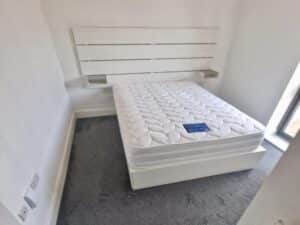
Large sofas, wardrobes, entertainment units, and beds often require multiple people to move safely. Some items need protective equipment or specialised lifting techniques. Without proper preparation, moving these items becomes unsafe and impractical during routine cleaning appointments.
Health and Hygiene Priorities Matter
High-Touch Surfaces Receive Greater Attention
Professional cleaners focus on areas that affect daily health and hygiene. Door handles, kitchen worktops, sinks, toilets, taps, and frequently touched surfaces collect bacteria and germs throughout the day. Cleaning these locations delivers greater hygiene benefits than removing minor dust accumulation beneath furniture.
Hidden Dust Still Deserves Attention
Although dust under furniture may not create immediate health concerns, it can accumulate over time. Excessive dust can affect indoor air quality and trigger allergies. For households with asthma sufferers, pets, or allergy concerns, periodic deep cleaning remains highly beneficial.
Why Cleaning Companies Charge Extra for Furniture Movement
Additional Labour Increases Costs
Moving furniture requires extra effort and often extends the cleaning appointment. Cleaning companies must allocate more time, staff, and resources to complete the work safely. These additional requirements naturally increase service costs.
Insurance and Liability Considerations Apply
Many cleaning businesses carry insurance policies that limit furniture movement responsibilities. Special arrangements may apply when clients request furniture relocation. Charging extra helps companies cover additional risks while ensuring staff follow appropriate safety procedures.
How Homeowners Can Improve Cleaning Results
Move Small Furniture Before Cleaners Arrive
Customers who want better access to hidden spaces can prepare their homes before the cleaning appointment. Moving lightweight furniture beforehand allows cleaners to reach areas that would otherwise remain inaccessible. This simple step often improves overall cleaning results significantly.
Communicate Expectations Clearly
Clear communication prevents misunderstandings. Homeowners should discuss specific requirements when booking a cleaning service. If cleaning under furniture is important, mentioning this in advance helps cleaners allocate appropriate time and resources.
Professional Cleaning Workflow Explained
Inspection Comes First
Most professional cleaners begin by assessing the property. They identify priorities, note problem areas, and determine the best cleaning approach. This initial inspection helps them work efficiently throughout the appointment.
High-Traffic Areas Receive Priority
Cleaners usually focus first on areas people use most frequently. Living rooms, kitchens, bathrooms, hallways, and bedrooms often receive immediate attention because they accumulate the most dirt and daily wear.
Accessible Floors and Surfaces Follow
After addressing major cleaning priorities, cleaners vacuum floors, dust surfaces, and sanitise key areas. Their workflow aims to achieve maximum cleanliness within the allocated appointment time while maintaining consistent service standards.
When You Should Request Deep Cleaning
Moving House Creates the Perfect Opportunity
Many homeowners request deep cleaning before moving in or out of a property. Empty or partially furnished homes provide easier access to hidden areas. Deep cleaning during relocation helps ensure every part of the property receives proper attention.
Seasonal Cleaning Helps Maintain Hygiene
Scheduling deep cleaning every three to six months helps prevent dust accumulation beneath furniture and in neglected spaces. Seasonal deep cleaning complements regular maintenance and supports a healthier living environment.
Why ASP Transport & Removals & Storage Supports Better Cleaning Preparation
Creating Access Improves Cleaning Efficiency
At ASP Transport & Removals & Storage, we understand the challenges homeowners face when preparing properties for cleaning and relocation. Our moving and storage solutions help create better access to difficult areas, making professional cleaning more effective.
Supporting Smooth Relocations and Property Maintenance
Our experienced team assists customers with furniture relocation, storage arrangements, property preparation, and move-related support. By helping homeowners organise their spaces, we contribute to cleaner, safer, and more efficient environments before and after a move.

Conclusion: Why don’t cleaners clean under furniture?
The reason cleaners do not usually clean under furniture comes down to practicality, safety, service limitations, and time management. Standard cleaning services focus on visible and high-priority areas that deliver the greatest impact during a scheduled appointment. Heavy furniture often remains untouched because moving it increases risks and requires additional labour.
Homeowners who want comprehensive cleaning beneath furniture should discuss their requirements in advance and consider booking a deep cleaning service. Clear communication helps ensure everyone understands what the service includes and delivers the best possible results.
By understanding how professional cleaning services operate, homeowners can make informed decisions, maintain realistic expectations, and enjoy cleaner, healthier living spaces throughout the year.
FAQs
1. Why don’t cleaners clean under furniture during regular visits?
Most regular cleaning services focus on visible and frequently used areas. Cleaners work within scheduled time limits and follow specific task lists. Moving heavy furniture requires additional time and creates safety risks. Customers who want cleaning beneath furniture should usually request a deep cleaning service.
2. Should I ask cleaners in advance if I want under-furniture cleaning?
Yes. Discussing your requirements before the appointment helps cleaners prepare properly. They can allocate extra time, bring suitable equipment, and determine whether furniture movement forms part of the service. Clear communication helps avoid misunderstandings and ensures better cleaning results.
3. Is dust under furniture harmful to health?
Dust beneath furniture can affect people with allergies, asthma, or respiratory sensitivities. While small amounts may not create immediate concerns, long-term buildup can impact indoor air quality. Regular deep cleaning helps reduce dust accumulation and supports a healthier home environment.
4. Can professional cleaners move heavy furniture safely?
Some professional cleaners offer furniture movement as part of specialised services. However, large furniture often requires additional staff, safety precautions, and specific agreements. Many standard cleaning services avoid moving heavy items to reduce injury and property damage risks.
5. How often should areas under furniture receive cleaning?
Most households benefit from cleaning beneath furniture every three to six months. Homes with pets, children, or allergy sufferers may require more frequent attention. Scheduling periodic deep cleaning helps maintain cleanliness, improve air quality, and prevent excessive dust accumulation.