

Embarking on the journey of storing antique furniture? ASP Removals and Storage is here with the ultimate guide on safely preserving your cherished pieces. From expert packing tips to ideal storage conditions, we’ve got you covered. Let’s ensure your antique treasures remain in pristine condition, ready to add charm and history to your space whenever you decide to bring them back into the spotlight. Discover how to safely store antique furniture.


Selecting the Right Storage Unit Size
Ensure your antique furniture fits comfortably by choosing the appropriate storage unit size. Allow enough space for each piece to prevent overcrowding, reducing the risk of damage during storage.
Climate-Controlled Storage for Temperature Stability
Opt for climate-controlled storage to maintain a stable temperature. This feature protects antique furniture from extreme heat or cold, preventing warping, cracking, or other damage caused by temperature fluctuations.
Thoroughly Clean and Condition Furniture
Clean and condition each piece thoroughly before storage. Use appropriate cleaning agents for different materials, ensuring the removal of any dirt, dust, or residues that could harm the furniture during its time in storage.
Disassemble Furniture for Safer Storage
Consider disassembling larger pieces for safer storage. This minimizes the risk of damage and allows for more efficient use of storage space. Keep track of all hardware and store it securely.
Wrap Furniture in Blankets or Bubble Wrap
Provide an extra layer of protection by wrapping furniture in blankets or bubble wrap. This helps prevent scratches, dings, and other potential damage during transportation and while in storage.
Use Furniture Covers for Added Protection
Invest in furniture covers made of breathable materials. These covers shield your antique pieces from dust, while still allowing air circulation to prevent moisture buildup, which can lead to mold or mildew.
Elevate Furniture Off the Ground
Place furniture on pallets or risers to elevate it off the ground. This protects against potential water damage in case of flooding or spills, ensuring your antique pieces remain safe and dry.
Appropriate Placement within the Storage Unit
Strategically place furniture within the storage unit. Consider factors like accessibility – items frequently needed should be towards the front – and weight distribution to prevent any potential structural damage.
Regularly Check and Adjust Storage Conditions
Regularly monitor and adjust storage conditions as needed. This includes checking for temperature fluctuations, ensuring humidity levels are within the recommended range, and making any necessary adjustments to maintain an optimal environment.
Consider Insurance for Added Security
Explore insurance options for added security. While in storage, unexpected events can occur, and having insurance provides financial protection in case of theft, damage, or other unforeseen circumstances.
Implement Pest Prevention Measures
Take proactive measures to prevent pests. Use pest repellents, such as mothballs or cedar blocks, and regularly inspect the storage unit for signs of pests to ensure your antique furniture remains free from infestations.
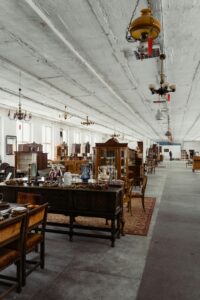

Document Furniture with Photographs
Document each piece with photographs before storage. This visual record serves as a reference for the condition of your furniture, aiding in any insurance claims and providing peace of mind.
Secure Fragile Elements with Padding
Secure fragile elements with padding. For delicate details or protruding elements, use extra padding to protect against damage during transit or while in storage.
Labeling and Creating Inventory Lists
Label each item and create detailed inventory lists. This not only aids in locating specific pieces when needed but also serves as a helpful reference for insurance purposes or if you decide to sell or donate any items.
Avoid Plastic Wrapping for Wooden Furniture
Refrain from using plastic wrapping directly on wooden furniture. Plastic can trap moisture, leading to mould or mildew growth. Instead, opt for breathable materials that allow air circulation.
Utilize Climate-Monitoring Devices
Enhance your storage strategy with climate-monitoring devices. These gadgets provide real-time data on temperature and humidity levels, allowing you to stay proactive in maintaining optimal storage conditions.
Regularly Dust and Polish Stored Furniture
Periodically dust and polish stored furniture. This helps maintain the integrity of the finish and prevents dust buildup, ensuring your antique pieces remain as beautiful as the day you stored them.
Consult with Furniture Restoration Experts
For valuable or delicate pieces, consult with furniture restoration experts. They can offer guidance on specific care instructions, recommend preservation techniques, and address any existing issues before storage.
Rotate Furniture Positioning Periodically
Rotate the positioning of furniture periodically. This prevents prolonged pressure on specific areas and minimizes the risk of warping or distortion, ensuring an even distribution of weight.
Use Soft Cloth or Felt Pads Under Furniture Legs
Place soft cloth or felt pads under furniture legs. This simple step protects both the furniture and the storage unit floor, preventing scratches or damage during any potential movement.
Create Adequate Aisles for Accessibility
When arranging furniture within the storage unit, leave adequate aisles for accessibility. This ensures you can easily reach and retrieve items without the need to move multiple pieces.
Implement a Handling Plan for Moving Furniture
Establish a careful handling plan for moving furniture in and out of storage. Enlist the help of professionals or gather a team to ensure proper lifting, carrying, and placement to avoid accidents or damage.
Regularly Monitor for Signs of Moisture
Be vigilant in monitoring for signs of moisture within the storage unit. Address any leaks or moisture promptly to prevent damage to your antique furniture, particularly if it’s susceptible to warping or mould.
Secure Storage Unit with Quality Locks
Invest in quality locks for your storage unit. This adds an extra layer of security, safeguarding your valuable antique furniture from unauthorized access.
Implement Lighting Solutions
Enhance visibility within the storage unit by installing adequate lighting. Proper lighting not only deters potential intruders but also allows you to inspect your furniture easily during visits, ensuring everything remains in optimal condition.
Choose a Convenient Location
Opt for a storage unit location that is convenient and easily accessible. This reduces the likelihood of damage during transportation and makes it more practical for you to check on your antique furniture periodically.


Maintain Proper Ventilation
Ensure proper ventilation within the storage unit. Adequate airflow helps prevent the accumulation of stale air, reducing the risk of musty odours or mildew that can affect the upholstery and finishes of antique furniture.
Elevate Items Off the Floor
Continue the practice of elevating items off the floor, especially if your storage unit is susceptible to occasional flooding or water seepage. This precautionary measure adds an extra layer of protection against potential water damage.
Establish a Routine Inspection Schedule
Create a routine inspection schedule for your antique furniture. Regular visits allow you to assess the condition of your pieces, make any necessary adjustments, and address potential issues promptly.
Conclusion: How to safely store antique furniture
With these expert tips from ASP Removals and Storage, you’re well-equipped to safely store your antique furniture. By prioritizing proper preparation, strategic placement, and ongoing monitoring, you can ensure that your cherished pieces retain their beauty and historical significance throughout their time in storage. Happy preserving!