
Organising your shelves can make a huge difference in how your space looks and functions. Whether you’re dealing with a cluttered kitchen, a messy living room, or a chaotic office, getting your shelves in order can help. At ASP Transport & Removals & Storage, we understand how important it is to keep your belongings tidy and accessible. That’s why we’ve put together some brilliant shelf organisation ideas to inspire you. Discover 5 shelf organisation ideas to maximise space and keep your home tidy. Presented by ASP Transport & Removals & Storage.
5 Shelf Organisation Ideas
Clear the Clutter
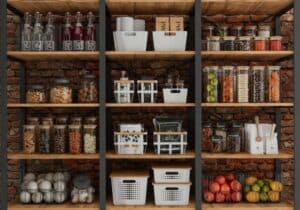
A cluttered shelf can make it difficult to find what you need. Start by removing everything from the shelf, so you have a blank canvas. This step allows you to evaluate what you truly need and what can be donated, stored elsewhere, or discarded. Be ruthless with items that haven’t been used in a while. Once the clutter is gone, you’ll find it much easier to organise the remaining items. Use small storage boxes or baskets to keep similar items together. This not only makes your shelf look neat but also makes it easier to find things quickly.
Categorise by Function
When organising your shelves, think about the purpose of each item. Group items by their function to create a more logical arrangement. For example, in a kitchen, store all your spices together on one shelf, and keep all your baking ingredients on another. In a home office, keep stationery in one place and books in another. This method ensures that everything is in the right spot, so you don’t waste time searching for things. Labelling boxes or baskets can also help, especially if you have multiple shelves dedicated to different activities.
Use Vertical Space Wisely
Shelves are not just about what goes on them; they are also about the space above and below. Make the most of vertical space by stacking items or adding additional shelving units. Small shelves or risers can double your storage space, allowing you to store more without creating clutter. If you have tall shelves, consider using stackable boxes or baskets to maximise the available space. Hanging hooks underneath shelves can also be useful for items like mugs or keys, keeping them off the shelf but still within easy reach.
Display and Store
Shelves don’t have to be purely functional; they can also be decorative. Mixing display items with storage solutions can create a visually pleasing arrangement. For instance, you could place a few decorative vases or picture frames alongside your books or kitchenware. The key is to balance form and function, ensuring that your shelves are both practical and aesthetically pleasing. Try to stick to a consistent colour scheme or theme to keep the look cohesive. This approach turns your shelves into a feature rather than just a storage solution.
Rotate Seasonal Items
Seasonal items can take up a lot of space on your shelves, especially if they’re only used once a year. Consider rotating these items based on the time of year. Store out-of-season items in boxes or in a less accessible area, freeing up prime shelf space for things you use regularly. For example, in the winter, you might want your holiday decorations easily accessible, but come summer, they can be packed away to make room for gardening supplies. This method keeps your shelves from becoming overcrowded and ensures you’re only storing what you need.
Additional Shelf Organisation Ideas
Keep Everyday Items Accessible
Items you use daily should be the easiest to reach. Place these items on the middle shelves, where they’re at eye level and within arm’s reach. This rule applies whether you’re organising kitchen shelves, office shelves, or even a bookshelf. Items that are used less frequently can go on the higher or lower shelves. By prioritising accessibility, you make your daily routine smoother and more efficient. Use this principle across all the shelves in your home for a more organised and user-friendly space.
Utilise Shelf Dividers
Shelf dividers are a great tool for keeping your items separated and organised. They are particularly useful for books, papers, or clothing. Dividers prevent things from toppling over and help you keep everything in its place. In a wardrobe, for instance, dividers can separate jumpers from t-shirts or jeans from skirts. In a kitchen, they can keep baking trays or cutting boards neatly stacked. Look for adjustable dividers that can be customised to fit your shelves and the items you store.
Colour-Code Your Shelves
Colour-coding is a fun and effective way to organise your shelves. Grouping items by colour can create a visually appealing display, making your shelves look more organised. This method works well for books, files, or even kitchen ingredients. Colour-coding also helps you find things quickly, as you can easily spot the colour you need. If you’re dealing with a large collection of similar items, such as files or binders, this method can make your shelf organisation both practical and attractive.
Go for Baskets and Bins
Baskets and bins are versatile storage solutions that can help you keep your shelves tidy. They are especially useful for storing loose items that might otherwise create clutter. Choose baskets or bins that fit your shelf space well and match your décor. Label each basket or bin to know exactly what’s inside without having to rummage through it. This method works well in any room of the house, whether you’re organising toiletries in the bathroom or toys in the living room.
Opt for Clear Containers
Clear containers are perfect for shelf organisation because they allow you to see what’s inside without opening them. This is particularly useful for items like craft supplies, pantry staples, or small office supplies. When everything is visible, it’s easier to keep track of what you have and avoid overbuying. Clear containers also make it simpler to find what you need quickly. Consider using a variety of sizes to accommodate different types of items while keeping a consistent look across your shelves.
Store Items by Size
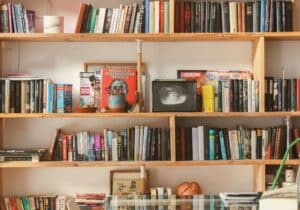
Organising your shelves by size is another effective strategy. Placing larger items at the bottom and smaller items at the top creates a balanced and stable arrangement. This method is especially useful for bookshelves, where you might have a mix of large art books and smaller paperbacks. On kitchen shelves, you can apply this principle by placing bulky pots and pans on lower shelves and lighter items, such as glasses or plates, on higher shelves. Storing items by size also helps prevent overcrowding and makes your shelves look more orderly.
Keep Similar Items Together
Keeping similar items together is a simple yet effective way to organise your shelves. This method makes it easier to find what you need and keeps your shelves looking tidy. For example, store all your books on one shelf, your DVDs on another, and your decorative items on a third. This approach works well in any room, from the living room to the garage. By grouping similar items, you create a sense of order and make it easier to maintain your shelves over time.
Use Shelf Liners
Shelf liners are a practical addition to any shelf. They help protect the surface of your shelves from scratches, spills, and wear and tear. Liners also add a decorative touch, especially if you choose a pattern or colour that complements your décor. They’re particularly useful in kitchens, where spills are common, or in closets, where you might be storing heavier items. Shelf liners are easy to clean and replace, making them a low-maintenance option for keeping your shelves looking their best.
Incorporate Lazy Susans
A Lazy Susan is a rotating tray that can be placed on a shelf to make accessing items easier. They are particularly useful in corners or on deep shelves where it can be difficult to reach the back. Lazy Susans are ideal for storing spices, condiments, or cleaning supplies. Simply spin the tray to bring the item you need to the front. This tool maximises your shelf space and keeps everything within easy reach.
Label Everything
Labelling is an essential part of effective shelf organisation. Labels help you keep track of where things belong and make it easier to find items quickly. Whether you’re using bins, baskets, or just the shelf itself, adding a label can make a big difference. Consider using a label maker for a neat and consistent look, or get creative with hand-written tags. Labelling is especially useful in busy households or offices where multiple people might be using the same shelves.
Arrange by Frequency of Use
Items that you use frequently should be stored at the most accessible points on your shelves. Keep everyday items at eye level or within easy reach. Less frequently used items can be placed higher up or lower down. This method ensures that you’re not constantly bending down or reaching up to grab something you need. It’s a simple but effective way to make your shelves more user-friendly and efficient.
Consider Open Shelving
Open shelving is a popular trend in home organisation, offering both functionality and style. With open shelves, everything is on display, making it easier to find what you need. However, this also means you need to keep your shelves tidy. Open shelving works well in kitchens, living rooms, or offices, where you might want to display books, dishes, or decorative items. It’s a great way to combine storage with décor, but it requires regular upkeep to avoid looking cluttered.
Keep Shelves Balanced
Balance is key when organising shelves. Avoid overloading one side of a shelf, as this can cause it to sag or even break. Distribute the weight evenly across the shelf to keep it stable and looking neat. If you’re displaying items, consider using a mix of different heights and shapes to create visual interest. Balancing your shelves ensures they are both functional and aesthetically pleasing, preventing potential damage and creating a more harmonious look.
Create a Focal Point
A well-organised shelf can serve as a focal point in a room. To achieve this, place a standout item in the centre of the shelf, such as a piece of artwork, a vase, or a framed photo. Surround this focal point with smaller, complementary items to draw attention to it. This technique works particularly well on shelves in living rooms, bedrooms, or entryways. A focal point adds personality to your shelves and makes them an eye-catching feature in your space.
Make Use of Bins
Bins are a versatile storage solution that can help you keep your shelves organised. They are perfect for storing small items that might otherwise get lost or create clutter. Bins come in various sizes and styles, so you can choose ones that fit your shelves and match your décor. Labelling your bins adds an extra layer of organisation, ensuring that everything has its place. This method is ideal for shelves in children’s rooms, offices, or any area where you need to keep things tidy.
Think About Shelf Height
The height of your shelves plays a crucial role in how well they function. Consider the height of the items you plan to store when installing or adjusting shelves. Taller items need more vertical space, while smaller items can be stored on shorter shelves. Adjustable shelving units are particularly useful, allowing you to customise the space according to your needs. Properly spaced shelves help prevent overcrowding and make it easier to access your items.
Utilise Shelf Baskets
Shelf baskets are a great way to keep your shelves looking neat and organised. They are perfect for storing items that don’t stack well or that you want to keep out of sight. Choose baskets that fit your shelves snugly and match your home’s style. Shelf baskets are particularly useful in bathrooms, kitchens, and living rooms, where you might have a lot of small items to store. They add a touch of style while keeping your shelves clutter-free.

Stack Items Strategically
Stacking items on your shelves can help maximise space and keep things organised. However, it’s important to do it strategically. Place the heaviest and largest items at the bottom and lighter items on top. This method prevents the stack from toppling over and makes it easier to access the items at the bottom. Stacking is particularly useful for items like books, DVDs, or folded clothes. A well-organised stack adds to the overall orderliness of your shelves.
Conclusion: 5 Shelf organisation ideas
Organising your shelves doesn’t have to be a daunting task. By following these practical tips, you can create a space that is both functional and visually appealing. Whether you’re dealing with kitchen shelves, bookshelves, or office storage, these ideas will help you make the most of your space. At ASP Transport & Removals & Storage, we’re here to help with all your storage needs, from moving house to finding the perfect storage solution. Happy organising!
Get ASP Transport & Removals & Storage’s professional services in your location