
Moving house always comes with a few challenges. One big question is: how to pack large fragile items for moving? At ASP Transport & Removals & Storage, we’ve helped thousands move safely, and we know exactly how to handle your delicate pieces. From antique mirrors to big-screen TVs, every item needs a careful approach. Whether you’re moving to a new flat or a bigger home, we make sure everything arrives in perfect condition. If you’re unsure where to start, don’t worry. We’ve created this easy-to-follow guide just for you. Let us walk you through everything you need to know, step by step. And once you’re ready, you’ll understand why choosing ASP Transport & Removals & Storage gives you total peace of mind. Let’s get started!
Understand what counts as a large, fragile item
Larg,e fragile items aren’t just glass tables. They include things like chandeliers, framed artwork, plasma TVs, and porcelain statues. These items have one thing in common – they break or crack easily. Some are also awkward in shape or heavy to lift. Knowing what you need to protect helps you plan better. Think about materials like glass, ceramic, marble, or anything with moving parts. These items need more than just a cardboard box. You’ll want the right packing method, proper tools, and the best route to carry them out safely. It’s always better to be thorough from the beginning.
Pick the right packing materials
Good materials protect your belongings during every bump in the journey. Start with strong, double-walled cardboard boxes or wooden crates. Use plenty of bubble wrap for padding and corner protectors for edges. Foam sheets and packing peanuts are great for filling gaps. Buy packing tape that sticks well and labels that don’t fall off. Never use old, flimsy boxes for heavy or fragile items. Invest in quality packing gear to avoid breaks and losses. It may cost a little more, but it will save you from heartache and damage later. With the right supplies, packing becomes much easier and safer.
Wrap every item the right way
Start with a clean surface before wrapping your item. Use a soft cloth or paper to wrap delicate finishes before the bubble wrap. Bubble wrap always goes with the bubbles facing outward. This creates better protection from knocks and pressure. For mirrors or glass, tape an X across the surface with masking tape to reduce shatter risk. Use extra layers for corners and handles. If the item has moving parts, remove and wrap them separately. Always cover all sides, and never leave sharp edges exposed. With careful wrapping, your items can handle the move much better.
Use padding inside the box or crate
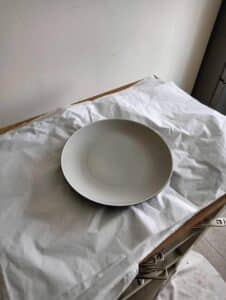
Packing fragile items without proper padding causes the most damage. Once wrapped, place the item inside a box lined with foam or thick padding. Fill all empty spaces with packing peanuts, crumpled paper, or soft towels. Nothing should move when you shake the box. The goal is to make sure the item can’t slide or knock against the walls. Corners need extra attention, so add extra padding there. For added security, layer the base and top of the box with cushioning. A tightly packed box means a safer journey for your valuable items.
Label everything clearly
Mark every box containing fragile items with large, bold “FRAGILE” labels. Also write “This Side Up” and draw arrows to guide movers. Labels prevent rough handling and keep everyone alert during loading and unloading. Use waterproof markers so the writing stays clear. You can even colour-code boxes for quick identification. Stick a content list on the side, especially if the box holds more than one item. When everything is labelled clearly, the move becomes smoother, safer, and faster. It also helps you find your items quickly at the new location.
Don’t overload the box
Heavy doesn’t mean secure. When you pack a large, fragile item, stick to one item per box if possible. If you combine items, make sure they don’t press against each other. Too much weight causes the bottom to give way or damage what’s inside. Choose a box that fits the item, leaving just enough room for padding. Secure the box with quality tape on all edges. Seal it tightly to prevent shifting. Lighter boxes are easier to carry and handle better on moving day. It’s not about fitting more; it’s about keeping it safe.
Disassemble whenever possible
Large items are often easier to pack when taken apart. Remove legs from tables or arms from chairs if you can. Take out the drawers and pack them separately. Keep screws and bolts in small bags and tape them to the item. This makes wrapping easier and helps avoid damage to awkward parts. Disassembled items take up less space in the van and are safer to move. Reassembly is easier when everything is kept together. Don’t forget to take pictures before you take things apart so you know how to put them back.
Use corner protectors and edge guards
Corners and edges take most of the impact during a move. Use foam edge guards, cardboard corners, or plastic protectors. You can even cut pool noodles and tape them around sharp parts. These guards help stop chips, cracks, and scratches. They also protect walls, doorways, and floors during transport. You don’t need fancy gear—just some creativity and effort. Whether it’s a mirror or a cabinet, corner protection should never be skipped. It adds that final layer of care and keeps everything looking good after the move.
Keep items upright during transport
Some items travel better standing up. For example, large mirrors, TVs, and paintings should be transported upright. Lay them flat, and they may crack from pressure or bounce. Always load these items at the side of the van with straps to hold them steady. Padding on both sides gives extra protection. When upright, the weight is distributed better, and the risk of breakage drops. This one small change makes a big difference. Proper positioning in the van keeps your fragile items safe from shifting loads and sudden stops.
Create a safe loading plan
A good loading plan prevents chaos on moving day. Place large, fragile items in the van first or last, depending on your plan. Use blankets and moving pads between objects to reduce knocks. Stack boxes carefully—heavy items on the bottom, fragile on top. Secure every item with straps, especially if the journey is long. Load items based on size, weight, and fragility. Planning means fewer surprises during transit. When everything is loaded with care, your items arrive without chips or cracks.
Choose the best route through your home
Getting an item out the front door is sometimes the hardest part. Plan your exit route in advance. Clear paths and measure doorways. Remove rugs and furniture from the way. For larger items, remove doors if necessary. If an item is too wide or tall, think about using a window or side entrance. Avoid rushing or guessing. A clear route helps you move items quickly without bumping walls or scratching floors. Careful planning here can save your fragile item from last-minute accidents.
Teamwork makes packing safer
Don’t try to lift heavy or large fragile items by yourself. Ask for help from friends, family, or professional movers. Two or more people make packing faster and safer. One person can hold while the other wraps or tapes. When lifting, use proper techniques to protect your back and avoid injury. Good teamwork also means better handling of tricky items like glass tables or oversized frames. With more eyes and hands, your items get the care they need during the move.

Keep tools and supplies close
You don’t want to waste time searching for scissors, tape, or extra wrap. Keep a small toolkit nearby with all the essentials. Include tape, markers, cutters, labels, and extra padding. When everything is within reach, packing becomes quicker and more organised. Having your tools ready saves time and reduces mistakes. It also helps you rewrap things if needed. A tidy workstation keeps stress low and results high. You’ll pack better when everything is right where you need it.
Pack one item at a time
Trying to pack too many things at once leads to mistakes. Focus on one large, fragile item at a time. This way, you give each item the attention it deserves. Take your time wrapping and padding it properly. When you rush, you might miss a corner or forget to label the box. Step-by-step packing also keeps things neat and manageable. You’ll make fewer errors and avoid damage when every item is packed with care. Slow and steady really does win the race.
Store packed items in a safe place
Before moving day, store packed boxes in a dry, cool, and flat space. Keep them off the ground using pallets or blankets. Avoid stacking heavy boxes on top of fragile ones. Check the room for leaks or dampness. Well-stored items stay protected before the move. If you’re using storage for a while, choose a space with proper airflow. Keeping your items safe before the van even arrives is a smart step in the moving process.
Conclusion
Now you know exactly how to pack large fragile items for moving. It’s not just about wrapping things up—it’s about taking the time to do it right. At ASP Transport & Removals & Storage, we understand how important your precious items are. That’s why we treat them with care from start to finish. Whether it’s a family heirloom or expensive electronics, we have the experience, tools, and team to keep them safe. Choose ASP Transport & Removals & Storage for a smooth, secure, and stress-free move. Let us take the weight off your shoulders—literally!
FAQs
What’s the best material to wrap fragile items?
Use bubble wrap, foam sheets, or thick blankets. Wrap items fully and pad corners and edges.
Can I pack more than one fragile item in the same box?
Yes, but make sure they don’t touch. Use padding between them and fill all empty spaces.
Do I need professional help to pack fragile items?
If the item is large, heavy, or highly valuable, professional help ensures safety and reduces risk.
How do I know if my box is secure enough?
Shake it gently. If you hear movement, add more padding. Always seal boxes with strong tape.
What should I avoid when packing fragile items?
Avoid loose packing, weak boxes, and rushing. Take your time and use the right tools for each item.
Discover ASP Transport & Removals & Storage’s best services in different Locations