
As winter approaches, it’s crucial to properly store your camping gear to ensure it’s ready for your next adventure. At ASP Transport & Removals & Storage, we understand how important it is to keep your equipment in top condition. With our guide, you’ll learn how to prepare and protect your gear, making sure it stays in excellent shape throughout the colder months.
How to Store Your Camping Gear for Winter
Clean Your Gear Thoroughly
Before storing your camping equipment, start by giving it a thorough clean. Dirt and grime can cause long-term damage if left untreated. Wash your tents, sleeping bags, and cooking gear according to their care instructions. Ensure everything is completely dry to prevent mould and mildew growth. Check for any damage or wear and tear, and make necessary repairs before storage. This step helps to extend the life of your gear and ensures it’s in top condition for your next trip.
Dry Your Equipment Completely
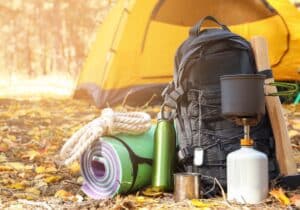
Proper drying is crucial for preventing mould and mildew. Hang your gear in a well-ventilated area, preferably indoors, to allow it to air dry. Avoid direct sunlight, which can cause fading and damage. For tents and sleeping bags, ensure that they are completely dry before packing them away. If you’re storing large items like sleeping bags, consider using a breathable storage sack instead of a stuff sack to keep them airy and avoid compressing the fill. This will maintain their insulating properties.
Store in a Cool, Dry Place
Choose a cool, dry location for storing your camping gear. Avoid damp basements or attics that could expose your gear to moisture. A temperature-controlled storage space is ideal, but if that’s not possible, make sure the area is well-ventilated and away from direct heat sources. Proper storage conditions help prevent damage and deterioration of your camping equipment. Using airtight containers or bags can also help protect against humidity and pests.
Use Proper Storage Containers
Invest in high-quality storage containers to keep your camping gear organised and protected. Plastic bins with tight-fitting lids are excellent for keeping out moisture and pests. Label each container clearly to make it easier to find specific items when you’re ready to go camping again. For delicate items like tents or sleeping bags, consider using fabric or mesh bags to avoid compression and maintain their shape. Proper containers also help to keep your gear in order and prevent accidental damage.
Keep Items Off the Ground
When storing your gear, try to keep it off the ground to avoid exposure to dampness or pests. Use shelves, pallets, or hooks to elevate your gear and keep it in good condition. This simple step can prevent mould, mildew, and other types of damage. Keeping your gear organised and off the ground also makes it easier to access and sort through when preparing for your next camping trip.
Protect Your Sleeping Bags
Sleeping bags require special attention. Store them in a large, breathable storage sack rather than a stuff sack to avoid compressing the fill. If possible, hang them in a closet or a large storage space to maintain their loft and insulation. Check your sleeping bags periodically for any signs of damage or pests. Proper storage helps preserve their warmth and comfort, ensuring they are ready for use when the weather warms up.
Store Tents Properly
When storing tents, ensure they are completely dry before folding them. Store them in a breathable bag or container to avoid moisture build-up. Avoid storing tents in their stuff sacks for extended periods, as this can lead to creases and damage to the fabric. Instead, use a larger, breathable bag or hang them if possible. Proper storage helps maintain the tent’s waterproof properties and overall durability.
Maintain Cooking Equipment
Clean and dry all cooking equipment thoroughly before storage. Remove any food particles or residues to prevent attracting pests. Store pots, pans, and utensils in a dry, airtight container to keep them in good condition. For camping stoves and fuel canisters, ensure they are empty and stored in a cool, dry place. Proper maintenance of your cooking gear ensures that it remains functional and ready for your next camping trip.
Store Clothing Separately
Store camping clothing separately from other gear to avoid damage and ensure easy access. Use breathable bags or containers to keep clothes clean and dry. Avoid packing clothes too tightly to prevent wrinkles and damage. Store items like thermal wear and waterproof jackets in a cool, dry place. Keeping your clothing organised and protected helps ensure that you have the right gear ready when you need it.
Protect Your Camping Furniture
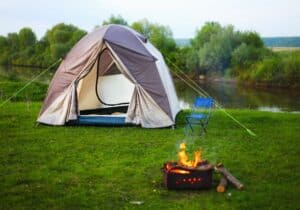
Camping chairs and tables should be cleaned and dried before storage. Store them in a dry, sheltered area to prevent rust and deterioration. If possible, disassemble or fold up furniture to save space and reduce the risk of damage. Cover your camping furniture with a protective cover or tarp if stored outdoors. Proper care and storage help extend the life of your camping furniture and keep it in good condition.
Check for Pests
Before storing your gear, inspect it for any signs of pests such as insects or rodents. Clean your equipment thoroughly to remove any potential attractants. Use pest-repellent sachets or sprays if necessary, especially for items stored in long-term storage. Regularly check your stored gear for any signs of pest activity. Keeping pests away helps prevent damage and ensures your gear remains in top condition.
Maintain a Checklist
Create a checklist of your camping gear and their storage conditions. This helps ensure that nothing is forgotten or left behind. Regularly review and update your checklist to reflect any changes in your gear or storage conditions. A well-maintained checklist makes it easier to prepare for your next camping trip and ensures that all your equipment is accounted for and ready to go.
Regular Inspections
Periodically inspect your stored camping gear to check for any signs of damage or issues. Look for signs of mould, pests, or wear and tear. Address any issues promptly to prevent further damage. Regular inspections help you maintain your gear in good condition and ensure it’s ready for your next adventure. Keeping a close eye on your equipment helps prolong its lifespan and performance.
Avoid Storing in Direct Sunlight
Store your camping gear away from direct sunlight to prevent fading and deterioration. UV rays can damage fabrics and materials over time. Choose a shaded or indoor storage location to protect your gear from harsh sunlight. Using storage containers with UV protection can also help prevent damage. Proper storage conditions help preserve the quality and longevity of your camping equipment.
Use Proper Packing Techniques
When packing your gear for storage, use proper techniques to avoid damage. Avoid over-packing or compressing items too tightly, as this can cause wear and tear. Pack items loosely and organise them for easy access. Use packing materials such as bubble wrap or foam for delicate items. Proper packing ensures that your gear remains in good condition and is ready for your next camping adventure.
Store Electronics Carefully
Camping electronics such as lanterns and GPS devices should be stored carefully to prevent damage. Remove batteries from devices to avoid leaks or corrosion. Store electronics in a dry, cool place, and use protective covers or cases if available. Proper care of your camping electronics ensures they remain functional and ready for use when needed.
Keep Documentation Safe
Store any manuals, warranties, or receipts for your camping gear in a safe place. Use a folder or envelope to keep these documents organised and easily accessible. Having documentation on hand can be helpful for maintenance, repairs, or replacements. Properly storing documentation ensures that you have all the information you need for your camping equipment.
Store Cooking Supplies Separately
Cooking supplies such as utensils and pots should be stored separately from other camping gear to avoid cross-contamination and damage. Use airtight containers or bags to keep cooking supplies clean and organised. Ensure that all cooking gear is thoroughly cleaned and dried before storage. Proper organisation of cooking supplies helps ensure that they are ready for use and in good condition.
Keep Your Storage Area Clean
Maintain a clean storage area to prevent dust, dirt, and pests from affecting your camping gear. Regularly clean the storage space and ensure it remains dry and well-ventilated. A clean storage environment helps protect your gear and keeps it in optimal condition. Keeping your storage area tidy also makes it easier to find and access your gear when needed.
Consider Climate Control
If possible, choose a climate-controlled storage space to protect your camping gear from extreme temperatures and humidity. Climate control helps prevent damage and deterioration caused by fluctuating conditions. If climate control isn’t available, ensure that your storage area is as stable and consistent in temperature and humidity as possible. Proper climate control helps extend the life of your camping equipment.
Store Gear by Type
Organise your camping gear by type to make it easier to locate and access items. Group similar items together, such as cooking gear, sleeping gear, and clothing. Use labelled containers or bins to keep everything in order. Proper organisation helps streamline the packing and unpacking process and ensures that you can easily find what you need for your next camping trip.
Avoid Storing in Damp Areas
Never store your camping gear in damp or humid areas, as this can lead to mould, mildew, and other forms of damage. Ensure that your storage location is dry and well-ventilated. If you’re storing gear in a basement or attic, use moisture absorbers or dehumidifiers to keep the area dry. Proper storage conditions help prevent damage and ensure your gear stays in good condition.
Use Vacuum-Sealed Bags
For bulky items like sleeping bags and clothing, consider using vacuum-sealed bags to save space and protect against moisture. Vacuum-sealing removes air and helps prevent the compression of materials. Ensure that the bags are properly sealed and stored in a cool, dry place. Vacuum-sealed bags help keep your gear organised and protected during the winter months.
Avoid Storing with Chemicals
Keep your camping gear away from chemicals or cleaning products that could cause damage. Store chemicals separately and ensure they are properly sealed. Avoid using harsh cleaning agents on your gear, and stick to gentle, gear-specific cleaners. Proper handling and storage of chemicals help prevent accidental damage to your camping equipment.
Plan for Future Use
Think ahead to your next camping season and plan accordingly. Review your gear regularly and make any necessary repairs or replacements. Stay organised and keep track of any new gear or changes to your equipment. Proper planning helps ensure that you’re prepared for your next adventure and that your gear is in top condition.
Conclusion
Properly storing your camping gear for winter is essential for keeping it in great shape and ready for your next adventure. At ASP Transport & Removals & Storage, we hope these tips help you maintain your equipment effectively. By following these steps, you can ensure your camping gear remains in excellent condition and is ready for use when the weather warms up. Enjoy your next camping trip with the confidence that your gear is well cared for