

What Are the Best Tips for Stress-Free Packing and Moving?
Moving house can feel overwhelming, but it doesn’t have to be. Many people ask, “What are the best tips for stress-free packing and moving?” The secret lies in organisation, preparation, and smart decision-making. By starting early, decluttering, and using efficient packing strategies, you can turn moving day into a smooth, stress-free experience. Whether you’re moving across Chester or to another city, these practical tips will help you manage everything with ease.
Planning Ahead for a Smooth Move
Planning is the cornerstone of a successful move. Start at least eight weeks before your moving date to avoid last-minute chaos. Create a realistic timeline that includes booking movers, sorting belongings, notifying utilities, and updating your address.
Planning early gives you control over every stage of your move. You can compare removal quotes, schedule packing days, and handle essential paperwork without rushing. Research your new area to find schools, healthcare facilities, and nearby shops. Knowing these details in advance eases the transition and helps you settle in faster.
Involve your family in the planning too. Assign everyone a role—one person can sort kitchen items, another can handle paperwork. This teamwork spreads responsibility and keeps morale high.
Create a Moving Checklist
A detailed checklist is your best friend during a move. It helps you stay organised and ensures nothing slips through the cracks. Divide your checklist into stages—what to do eight weeks before, four weeks before, and the week of the move.
For example, start decluttering in week one, gather packing materials in week two, and begin boxing non-essentials by week four. Use apps or printable templates to track progress. Crossing items off your list provides a sense of achievement and keeps anxiety at bay.
Customise your checklist to suit your situation. If you have pets, include vet records and pet carriers. For families with children, list school transfer forms and childcare arrangements. Regularly reviewing the list keeps you focused and efficient.

Declutter Before You Pack
Decluttering is one of the most important steps to achieving a stress-free move. You’ll save time, money, and effort by only taking what you truly need. Go through each room and sort belongings into four piles: keep, sell, donate, or discard.
Ask yourself when you last used an item. If it’s been over a year, it’s probably safe to let it go. Organise a garage sale or sell items online to make extra cash. Donate usable goods to charities for a rewarding feeling.
Reducing your load also cuts down on packing materials and van space, saving you money on removal costs. A decluttered home is easier to pack—and unpack.
Essential Packing Strategies
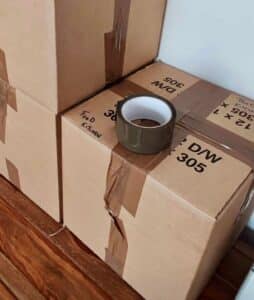
Once you’ve decluttered, it’s time to pack strategically. Gather sturdy boxes, bubble wrap, strong tape, and labels. Avoid using old or damaged boxes that could collapse.
Pack heavier items in smaller boxes to make them easier to carry. Fill gaps with soft materials like towels or newspaper to prevent movement inside the box. Always label boxes by room and note if they contain fragile items.
Specialised packing materials can also make a big difference. For example, use wardrobe boxes for hanging clothes, dish packs for crockery, and mattress covers for hygiene. The right supplies help protect your belongings throughout the move.
Gather Packing Supplies
Running out of packing materials halfway through can cause unnecessary stress. Make sure you have enough before you start. You’ll need:
-
Boxes in various sizes
-
Packing tape and dispensers
-
Bubble wrap or packing paper
-
Scissors and markers
-
Labels or stickers for identification
If you’re eco-conscious, opt for recycled or reusable boxes. You can often find free boxes at local supermarkets or community groups. Keep all supplies in one place for easy access as you pack.
Pack Room by Room
Packing one room at a time helps maintain order and efficiency. Start with rooms you use the least, like the loft or guest room. Leave essential spaces, such as the kitchen or bathroom, for last.
As you pack, keep an inventory list of each box’s contents and destination room. Use a colour-coded system—for instance, red labels for the kitchen and blue for the bedroom. When you arrive at your new home, movers can easily identify where each box belongs.
This method saves time during unpacking and reduces confusion on moving day.
Label Everything Clearly
Proper labelling simplifies your move dramatically. Write clearly on each box, noting its contents, destination room, and handling instructions like “fragile” or “this way up.”
Take photos of the box contents before sealing them. These snapshots are useful if you need to find something quickly before unpacking. Good labelling reduces frustration and speeds up both loading and unpacking.
Smart Packing Hacks
Make packing easier with a few clever hacks. Wrap fragile items in clothes, towels, or bedsheets instead of buying extra bubble wrap. It’s cost-effective and saves space.
Keep clothes in drawers or on hangers and wrap them in plastic film to prevent dust. Use suitcases for books or heavy items—the wheels make transport effortless.
Another useful trick: use zip-lock bags for small screws or cables, and tape them to the relevant furniture. You’ll thank yourself later when it’s time to reassemble.
Use Household Items for Padding
Household items make excellent packing materials. Socks cushion glasses, towels protect plates, and blankets pad furniture. Using what you already own saves money and reduces waste.
Avoid overfilling boxes. Instead, fill gaps with soft items to prevent shifting during transport. If you use a newspaper, wrap items in tissue paper first to avoid ink stains.
Vacuum Seal Bulky Items
Bulky items like bedding, winter coats, and pillows can take up valuable space. Use vacuum-seal bags to compress them. This technique protects against dust and moisture while freeing up van room.
Label each sealed bag for quick identification later. Vacuum sealing makes a big difference if you’re moving long-distance or using limited storage.
Keep Essentials Accessible
Always pack a “first-night” box with essentials you’ll need immediately upon arrival. Include:
-
Toiletries and medications
-
Chargers and electronics
-
A change of clothes
-
Snacks and bottled water
-
Important documents
Add bedding, basic kitchen items, and cleaning supplies. Keep this box in your car rather than the moving van. Having your essentials handy saves time and stress when you first arrive.
Moving Day Tips
The big day doesn’t have to be chaotic. Confirm all details with your movers the day before. Ensure they have parking access and directions.
Wake up early, dress comfortably, and stay hydrated. Supervise loading without getting in the way. Point out fragile items and double-check that everything is accounted for.
Take final meter readings, turn off appliances, and lock up securely. Staying organised and calm sets a positive tone for the day.
Stay Organised on the Day
Keep your moving checklist nearby and tick off each step as it’s completed. Assign a family member to manage pets or children, ensuring they stay safe and out of the movers’ path.
Do one final walk-through of your old home. Check cupboards, lofts, and sheds for forgotten items. Take photos for reference, especially if you’re a tenant returning keys.
Handle Fragiles with Care
Fragile items need extra attention. Wrap each one individually and mark the boxes clearly. Ask movers to load these last so they’re unloaded first at your new home.
If you’re handling them yourself, line your vehicle with soft blankets and secure items to avoid shifting. Proper care ensures your valuables arrive in perfect condition.
Unpacking and Settling In
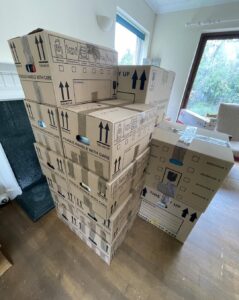
Once you arrive, resist the urge to unpack everything at once. Start with the essentials—bedding, toiletries, and kitchen basics. Then move room by room to stay organised.
Recycle packing materials as you go to keep spaces clear. Set up furniture and decorations gradually so your home feels comfortable and inviting.

Unpack Essentials First
Your essentials box should be the first thing you open. Set up your bathroom with towels, soap, and toothbrushes, and prepare the kitchen with a few basic items.
Assemble beds and unpack linens next to ensure a good night’s sleep after a long day. Having these ready helps you relax and recharge.
Set Up Rooms One by One
Focus on completing one room at a time. Start with spaces you use most, like the living room or kitchen. Finishing one room before moving on keeps motivation high and prevents clutter.
Let each family member set up their own room. This gives everyone ownership of their space and makes the new house feel like home faster.
Why Choose ASP Transport & Removals & Storage
Choosing a trusted moving company makes all the difference. ASP Transport & Removals & Storage offers professional, affordable services for both local and long-distance moves. Our experienced team handles packing, transport, and storage with precision and care.
We tailor every move to your specific needs and ensure your belongings are protected throughout the process. From fragile items to furniture, we handle everything as if it were our own. Reliable, efficient, and customer-focused—ASP Transport & Removals & Storage is your partner for stress-free moving.
Frequently Asked Questions
1. What should I do first when planning a move?
Start with a checklist about eight weeks before moving. Declutter early, book movers like ASP Transport & Removals & Storage, and handle utility notifications promptly. Early organisation sets the tone for a smooth experience.
2. How can I pack fragile items safely?
Wrap each item in soft materials or bubble wrap, fill gaps with padding, and label boxes clearly as “fragile.” Place these boxes on top or in secure areas during transport.
3. What essentials should I pack in my first-night box?
Include toiletries, snacks, chargers, and a change of clothes. Add bedding, cleaning supplies, and any important paperwork. Keep this box easily accessible for convenience.
4. How do I declutter effectively before moving?
Sort items into keep, sell, donate, or discard groups. Sell unwanted items online or donate to local charities. This reduces packing time and moving costs.
5. When should I start packing for my move?
Begin packing non-essential items about six weeks before moving day. Work room by room, leaving everyday essentials until the final week.
Final Thoughts
Moving doesn’t have to be stressful or exhausting. So, what are the best tips for stress-free packing and moving? The key is to plan ahead, declutter wisely, and stay organised from start to finish. With a reliable moving partner like ASP Transport & Removals & Storage, you can sit back while professionals handle the heavy lifting.
Ready to move without the stress? Contact ASP Transport & Removals & Storage today for a free, no-obligation quote and let our experts make your move smooth, efficient, and hassle-free.
Office: 01604 437028
Peter: 07711 795 214
Jerry: 07748 144 354
Evelina: 07701 367 549
Mail us: info@asp-service.co.uk
Discover ASP Transport & Removals & Storage’s best services in different Locations